

Selling a Rental Property With Tenants in Utah: A Landlord's Guide
June 16, 2026
Plenty of Utah landlords are ready to be done, the late-night maintenance calls, the turnover, the rent that never quite keeps up with the headaches. But there's a common myth that stops people from selling: the belief that you have to empty the property and evict your tenants before you can sell. You don't. Here's how it really works.
You Can Sell With Tenants Still in the Property
In Utah, a sale does not automatically end a lease. When you sell, the buyer steps into your shoes as the new landlord, and the existing lease comes with the property. That means:
- If your tenant is on a fixed-term lease, the buyer must honor it until it expires. The tenant keeps living there under the same terms.
- If your tenant is month-to-month, the tenancy can be ended with written notice of at least 15 calendar days before the end of a rental period (Utah Code § 78B-6-802). That requirement follows the property: it applies to you before the sale and to whoever owns it after.
Either way, you do not have to evict anyone to sell. To a cash buyer who plans to keep renting the property, existing paying tenants are often a feature, not a problem.
What Happens to the Security Deposit and Rent?
These get handled at closing, and it's routine:
- Security deposits are transferred to the buyer, who becomes responsible for returning them under Utah Code §§ 57-17-3 and 57-17-4: within 30 days of the tenancy ending, with an itemized list of any deductions. Whoever owns the property when the tenancy actually ends is the one on the hook for doing that correctly, which is why the transfer is usually a written credit on the closing statement.
- Prepaid rent for the month of closing is prorated between you and the buyer.
- Put the handoff in writing. Tell the tenant, in writing, who now holds their deposit and where rent goes. Skipping that step is how landlords end up in small claims court months after they thought they were done with the property.
"I'll Just Evict Them First" Is Rarely the Fast Option
If there is a genuine problem, unpaid rent, damage, a lease violation, eviction is a legal option. It is not a same-week fix. In Utah the process starts with a 3-day notice (to pay or quit for nonpayment, to comply or vacate for a fixable violation, or to quit outright for serious issues), and if the tenant does not respond it still has to move through service, a court hearing, and a judgment. Realistically the full process runs one to four months, longer if contested. That is a long time to carry a mortgage, insurance, and utilities on a property you have already mentally moved on from, and it is often slower than simply selling with the tenant in place.
The Catch With Selling a Tenant-Occupied Rental on the MLS
Selling a rental the traditional way is harder than selling an empty house:
- Showings are a nightmare. You need tenant cooperation for every walkthrough, and tenants who didn't choose to sell are rarely enthusiastic about keeping the place show-ready.
- Most retail buyers want it vacant. Owner-occupant buyers (and their lenders) often won't touch an occupied property, which shrinks your buyer pool to other investors.
- Lease terms can scare buyers off. A below-market rent or a problem tenant can knock down what traditional buyers will offer.
Why Selling to a Cash Buyer Is Cleaner
We buy occupied rentals all the time, and the tenant situation doesn't faze us:
- No evictions, no vacancy. You don't have to displace anyone or lose rent emptying the place out.
- No make-ready. Worn carpet, dated kitchens, deferred maintenance from years of turnover, we buy as-is.
- We handle the tenant transition after we take title. That's our job, not yours.
- You pick the closing date and walk away clean.
This is especially common around the universities, Provo is full of BYU student rentals, and Salt Lake City has decades of aging rentals near the University of Utah, but we buy tired rentals across the whole state.
The Part Nobody Tells You: Sometimes the Tenant Needs More Help Than the Lease
Not every tired-landlord situation is a bad tenant. Sometimes it is someone who is overwhelmed, aging, or just stuck, and the property has become as much a burden to them as it is to you.
On one of our closings, the seller's tenant had been given notice weeks earlier that the home needed to be cleared out before closing day. When we walked through a few days before closing, the place looked almost exactly like it had three weeks before. He was facing dump run after dump run and a full move to a new rental, and he was doing all of it alone.
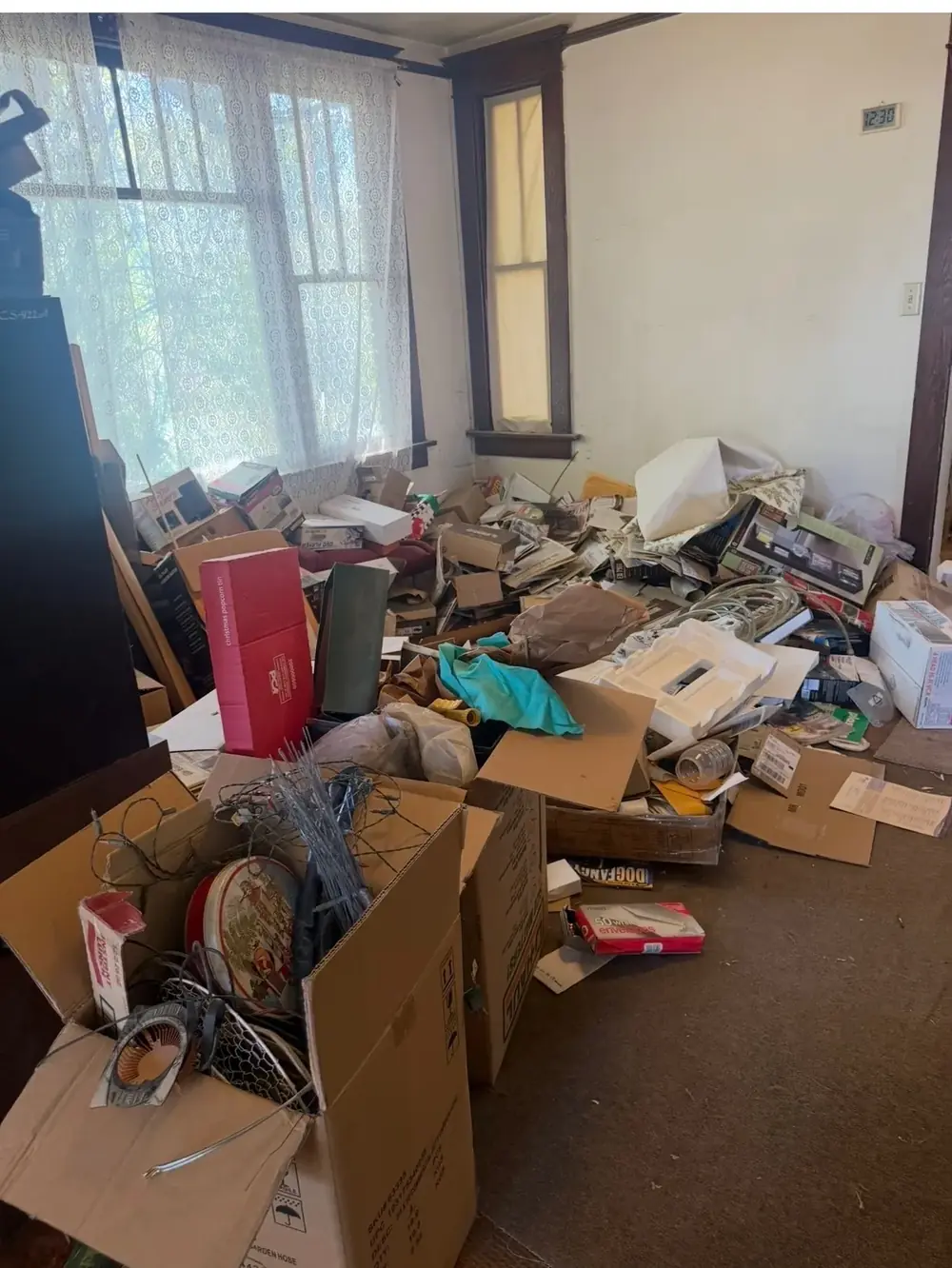
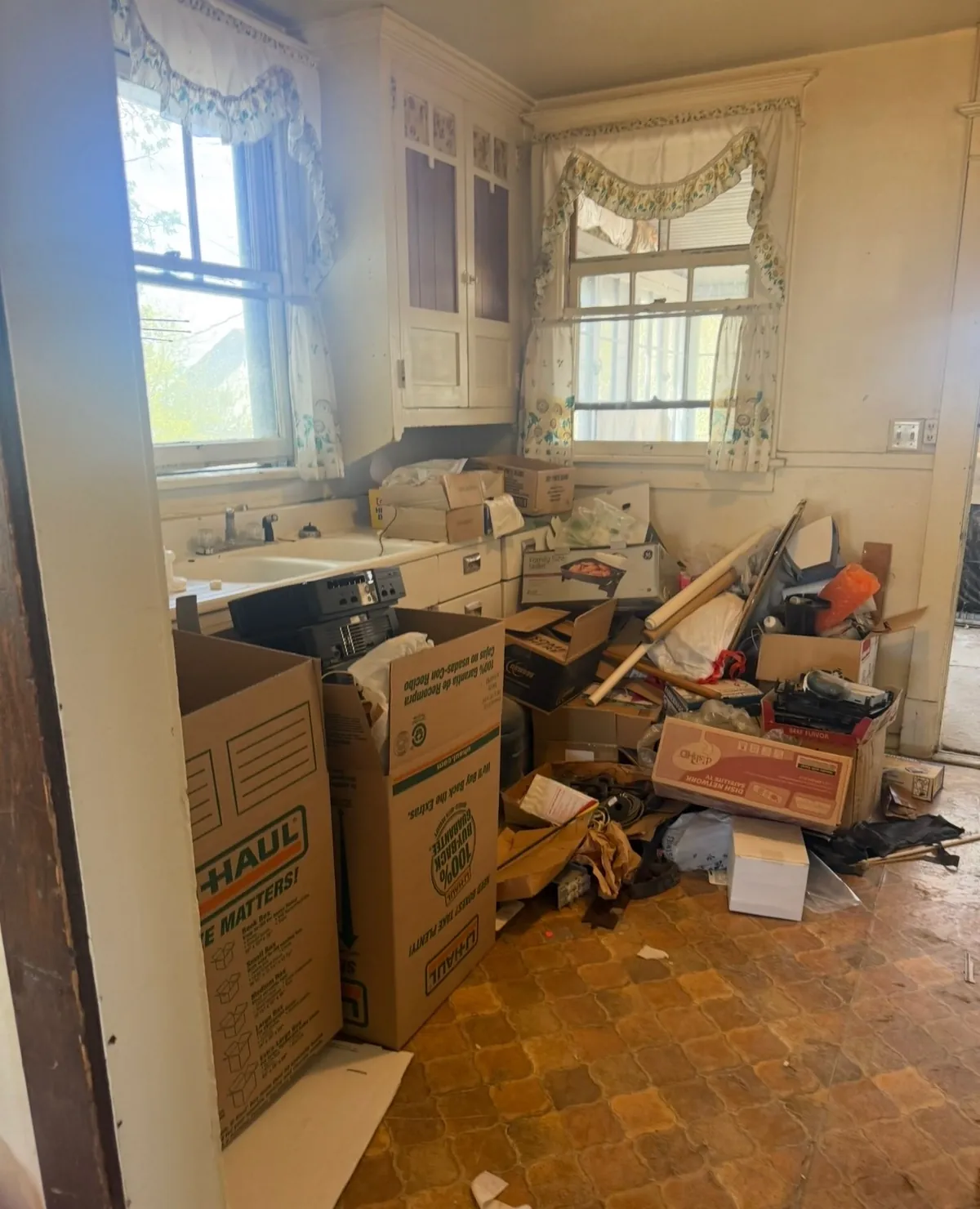
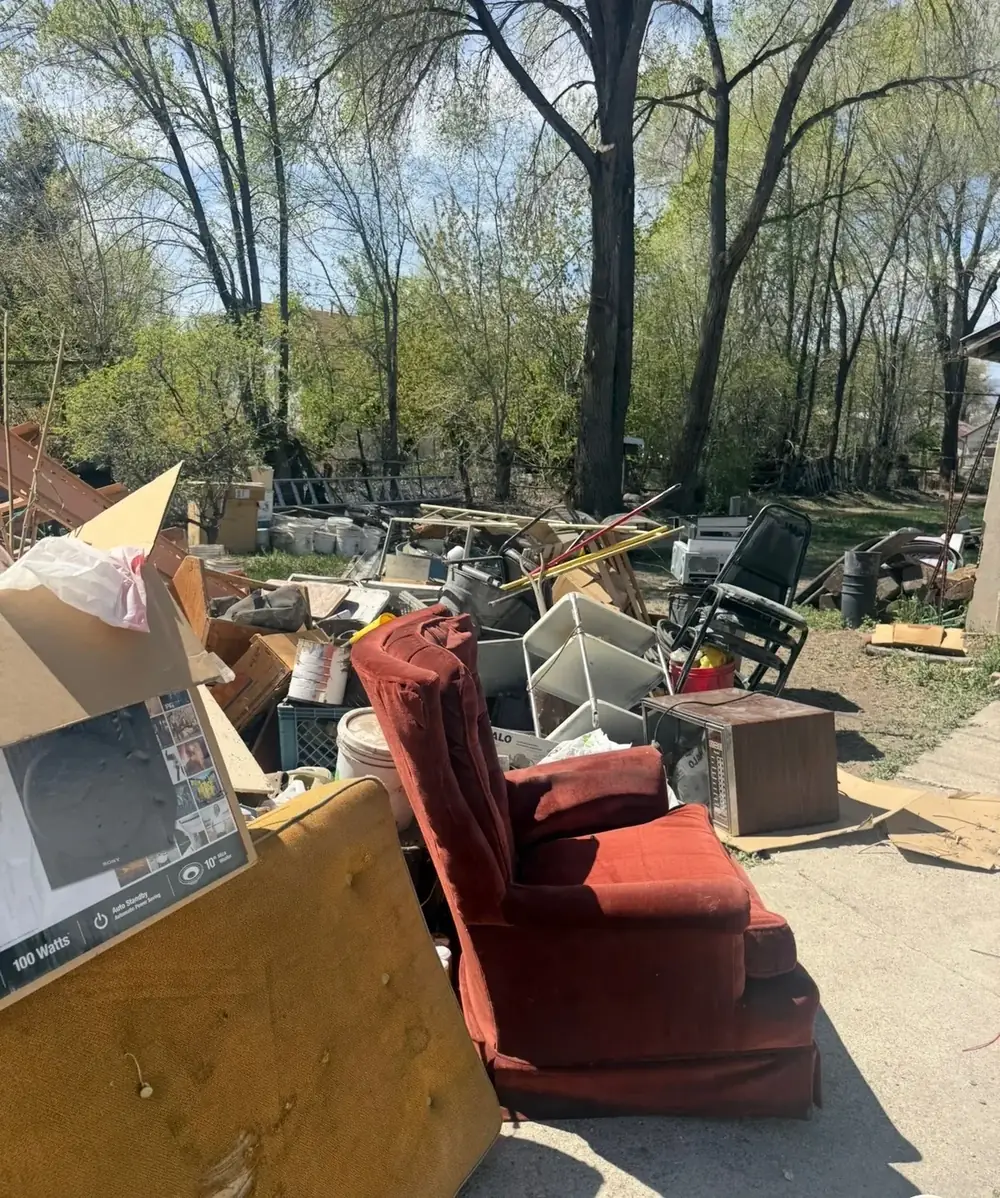
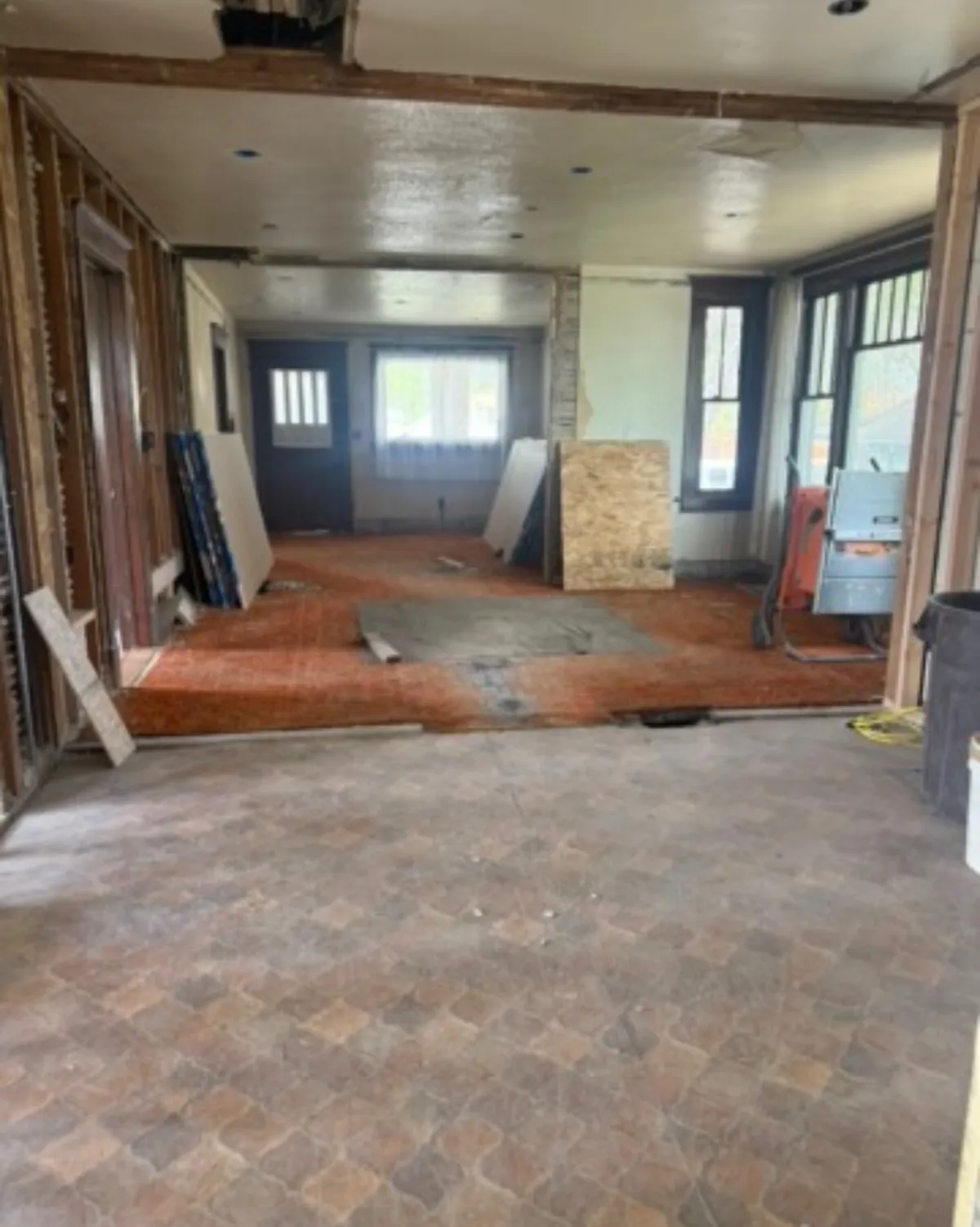
There was a holdback at the title company built for exactly that kind of delay. We could have let it run and let the cost come out of the seller's proceeds. Instead we sat down with him, and it turned out he had no one helping him and no money to hire anyone. So we made him an offer: let our crew be his moving crew.
Over the next three days, six of us hauled three 30-yard dumpsters and eight trailer loads out of that house, to the dump, to his storage unit, and to his new place. It cost the seller a fraction of what the delay would have, and the tenant walked into his new home instead of getting left to sort it out alone.
We tell that story because it is the honest answer to how we handle tenant situations: the fastest legal path on paper, a notice and a court date, is not always the right one, or even the fastest one in practice. When we buy a tenant-occupied property we look at the actual situation. Is the tenant paying and easy to work with? Struggling and in need of a real conversation? Is the unit vacant but full? We build the deal and the timeline around that reality. Sometimes that means keeping a good tenant in place after closing. Sometimes it means handling a difficult move-out ourselves so you do not have to be the one standing in the driveway while it happens.
Ready to Stop Being a Landlord?
If you're done with turnover and tenant calls, you don't need to wait for a lease to end or kick anyone out. Send us the address and a copy of the current lease (and rent roll if it's multi-unit), and we'll get you a no-obligation cash offer within 24 hours.
More on how we buy rental properties with tenants in place, including security deposits, multi-unit buildings, and portfolios. Or read how our process works start to finish.
Utah Code references: § 78B-6-802 (notice and continuation of tenancy), §§ 57-17-3 and 57-17-4 (security deposits), Title 78B Chapter 6 Part 8 (the eviction process). This post is general information, not legal advice. A tenant situation with real complications is worth a call to a Utah landlord-tenant attorney.
Have questions? We're happy to help.
Call us at (435) 250-3678